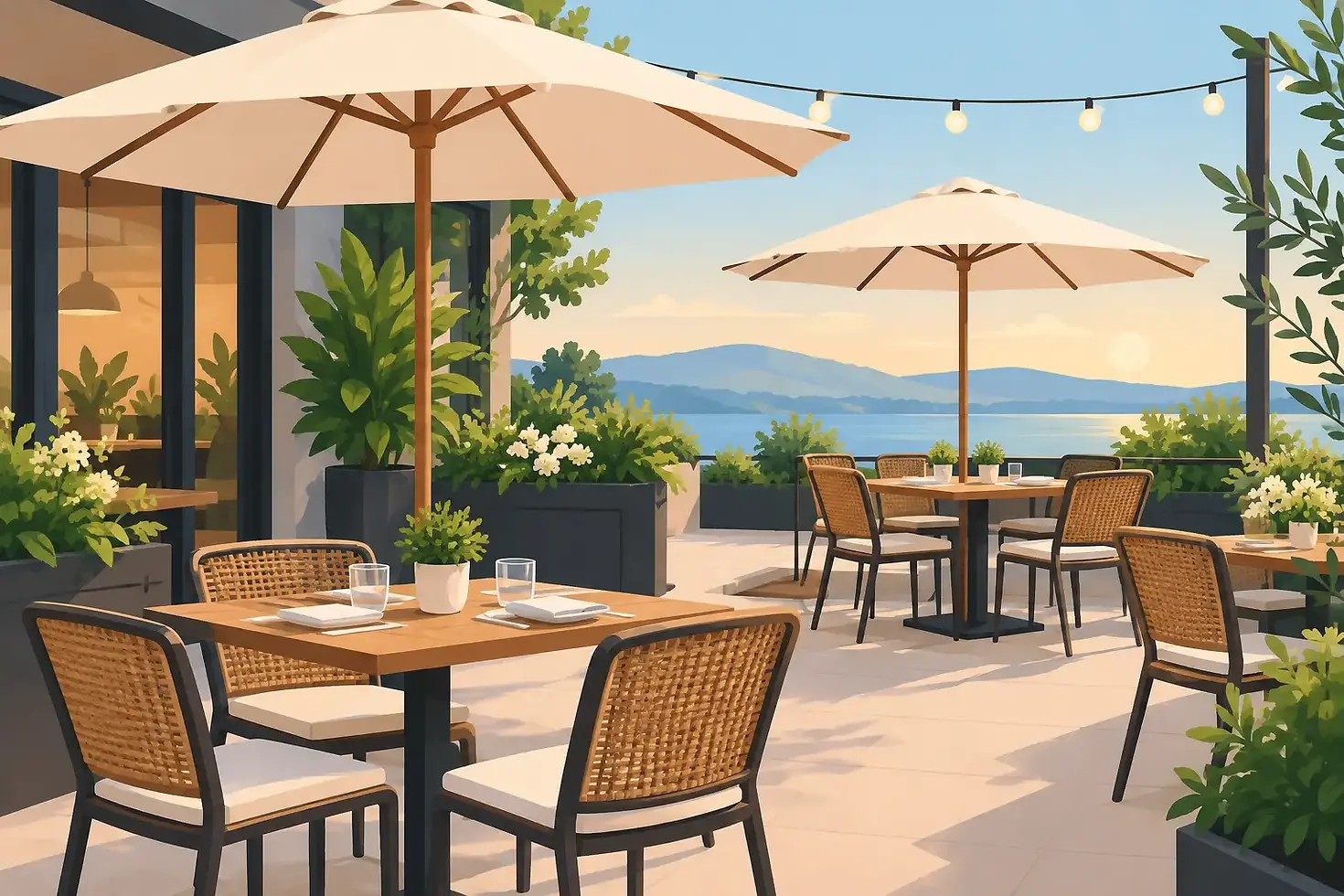
Restaurant Patio Dining Trends Worth Trying
A patio is no longer just the place you sit when the weather is perfect. For a lot of local diners, it is where Friday fish fries run long, after-work drinks turn into dinner, and a quick meal feels like a night out. The best restaurant patio dining trends are not about fancy extras for the sake of it. They are about making outdoor seating comfortable, easy, and worth coming back for.
For neighborhood restaurants and bars, that matters. Guests want a relaxed place to meet up without feeling rushed indoors, especially when the patio has the same good food, full beverage selection, and friendly service they expect from the dining room.
Restaurant Patio Dining Trends Start With Comfort
The biggest patio trend is simple: make it usable more often. A couple of picnic tables outside may work for a hot July afternoon, but guests are looking for patios that can handle cool spring evenings, fall football weather, and even a winter dinner when they are dressed for it.
Heat is a major part of that. Patio heaters, covered spaces, wind protection, and warm lighting can turn a seasonal area into a regular gathering spot. A heated patio gives diners more choices when the main dining room is busy and gives groups a reason to stay for another round.
Comfort is not only about temperature, though. Chairs should be sturdy enough for a full dinner, not just a fast drink. Tables need room for plates, wings, fish fry baskets, and a few beers without everyone playing table Tetris. A patio that looks good but is uncomfortable will not earn repeat visits.
There is a trade-off. More coverage and heating make a patio more useful, but too much enclosure can make it feel like another dining room. The sweet spot is protection from the elements while still letting people enjoy the fresh air, the buzz of the neighborhood, and the change of scenery.
Lighting That Keeps the Night Going
Good patio lighting has become one of the easiest ways to improve the experience. Guests need to see the menu and their food, but nobody wants bright overhead lights that make a casual patio feel like a parking lot.
Warm string lights, table lights, and well-placed fixtures help create a welcoming feel after dark. Lighting also makes the patio look active from the street, which matters for a local bar and grill. When people see a comfortable crowd outside, they remember it the next time they are deciding where to meet friends.
Flexible Seating Brings More People Together
Patio dining works best when it fits real life. A couple on a weeknight needs a small table. Coworkers stopping in after work need space for drinks and appetizers. A family may need room for kids, high chairs, and a full spread of comfort food. Friends meeting for the game want to sit together without splitting into separate corners.
That is why flexible seating is one of the restaurant patio dining trends with real staying power. Moveable tables let staff make room for different party sizes without making the patio feel crowded. A mix of regular tables, high-tops, and a few larger group setups gives guests options.
High-top tables can be great near the bar area for a quick beer and a basket of wings. Lower tables are better for guests settling in for dinner. The key is not trying to make every seat do the same job.
For busy nights, clear traffic paths matter just as much as the seating itself. Servers need room to move safely with trays, and guests should not have to squeeze past other tables every time they head inside. A comfortable patio feels easy, even when it is packed.
Full Menus Belong Outside
Nobody wants to be treated like they picked the lesser seating option because they chose the patio. One of the strongest changes in outdoor dining is the expectation that guests can order the full menu outside, not a shortened list of snacks and canned drinks.
That means patio diners should be able to get the burger, the fish fry, the soup, the shareables, and dessert if they want it. They should also have access to the beverage choices that make a meal feel complete, from beers on tap to seasonal drinks and nonalcoholic options.
Some items are naturally patio favorites. Handheld sandwiches, wings, fries, tacos, and shareable appetizers work well when people are catching up over drinks. But that does not mean every patio menu has to be limited to finger food. Guests may want a full dinner outside, especially when the weather is good and the table is comfortable.
Restaurants do need to think about the practical side. Wind can be tough on lightweight napkins and paper menus. Frozen drinks can melt fast on a hot day. Hot food can cool down during a long walk from the kitchen. Small operational details, such as sturdy drinkware, menu covers, and organized service stations, help keep the experience smooth without making it feel overly formal.
The Patio Is a Social Spot, Not Just Extra Seats
The most successful patios give people a reason to choose them. Sometimes that reason is as simple as a cold beer, good weather, and a place to sit with friends. Other times, it is tied to something happening that night.
Weekly specials are a natural fit for outdoor dining. A Friday fish fry, early bird pricing, game-day food, seasonal drink features, or a rotating comfort-food special can give regulars a reason to make patio plans. The event does not have to be complicated. In fact, familiar traditions often work better than trying to create a different gimmick every week.
A patio is also a good place for casual social energy. Background music should add to the atmosphere, not make conversation impossible. Sports on an outdoor TV can bring in groups, but it depends on the crowd and the layout. A patio built around every game may be perfect for one bar, while another may do better as a quieter dinner space.
At Rock Kitchen and Bar, a heated patio makes it possible to keep that neighborhood gathering-place feeling going well beyond summer. That is the real advantage of outdoor dining done right: it gives regulars another place to make the restaurant part of their routine.
Convenience Still Wins
Guests appreciate atmosphere, but they also notice the basics. Is there a wait for patio seating? Can they order a drink quickly? Is the check easy to handle when the group is ready to leave? Can someone grab takeout for the family while meeting friends for one drink outside?
Technology can help, but it should stay in the background. Digital waitlists and handheld payment systems are useful when they save time. QR menus can be handy for quick updates or beverage lists, but many guests still prefer a regular menu they can hold. Offering both is often the practical move.
Clear communication matters even more than tech. Let guests know whether the patio is first come, first served, whether it is heated, whether dogs are allowed where local rules permit, and what happens if the weather changes. Nobody likes showing up in a light jacket only to learn that outdoor seating is closed for the season.
For takeout customers, patio dining trends can still make a difference. A visible, welcoming patio tells people the restaurant is active and worth stopping at. It can also create a convenient pickup flow that keeps takeout guests from waiting in a crowded entryway.
Seasonal Details Keep Things Fresh
A year-round patio does not have to look the same every month. Small seasonal updates can make the space feel cared for without turning every change into a major project.
In spring and summer, planters, shade, cold drinks, and lighter food features can set the tone. In fall, warm lighting, heaters, and comfort food make the patio feel inviting when the temperature drops. Winter calls for practical warmth first, then seasonal touches that feel festive without getting in the way of service.
The goal is not to chase every trend online. Guests remember whether they were comfortable, whether the food hit the spot, and whether the staff made them feel welcome. A patio full of expensive décor cannot make up for cold fries, slow service, or nowhere to put a drink.
The best outdoor table is the one that feels easy to choose. Whether it is a sunny lunch, a Friday night fish fry, or a round of drinks after work, a comfortable patio gives neighbors one more good reason to get together.